School Cleaning Priorities for Educational Facilities
School cleaning is not the same as office cleaning. Atlanta and Jacksonville area schools manage heavy daily traffic, frequent room changes, shared desks and equipment, and a mix of spaces, including classrooms, restrooms, cafeterias, gyms, offices, and visitor-facing areas, that all need consistent attention.
Whether you lead a private school, daycare, charter school, church school, tutoring center, or another educational facility in metro Atlanta or the Jacksonville area, a structured plan keeps your building presentable, organized, and ready for learning, without shifting more work onto teachers and staff.
Quick answer: The most important school cleaning priorities are classrooms, restrooms, cafeterias, hallways and entryways, high-touch surfaces, administrative offices, and specialty spaces like gyms and libraries. Each area needs its own daily, weekly, and periodic tasks, documented in a written school cleaning checklist and adjusted for enrollment, traffic, and your school calendar. Pro Squared Janitorial provides school janitorial services to educational facilities across metro Atlanta and the Jacksonville area, building schedules around bell times, events, and after-hours access.
This guide outlines the most important school cleaning priorities and shows how to build a reliable plan and school cleaning checklist. When professional support makes sense, a local partner can align service to your bell schedules, events, and after-hours access requirements in both Atlanta and Jacksonville.
Key Takeaways
A practical school cleaning checklist groups daily, weekly, and periodic tasks, covering trash, restrooms and restocking, classroom and cafeteria basics, floor care, dusting, interior glass, high-touch surfaces, and break or summer deep cleaning, and is customized to each school's size, layout, and traffic.
Cleaning frequency varies by school size and use, but classrooms, restrooms, and hallways need daily routines, cafeterias should be cleaned after each meal period, gyms and multi-purpose rooms are serviced based on events and heavy use, and deep cleaning is scheduled over breaks and summer in line with the school calendar.
When choosing a school cleaning company, prioritize proven experience with educational facilities, customized scopes and schedules, reliable trained staff with appropriate screening, clear communication and inspections, proper products and equipment, secure access procedures, after-hours and weekend availability, proof of insurance, and flexibility for break and summer projects.
Why School Cleaning Requires a Clear Plan
Schools are active environments with students, staff, families, vendors, and community members moving through classrooms, restrooms, cafeterias, gyms, and offices all day. Shared desks, chairs, technology, and supplies drive up daily cleaning needs, and without a plan, small issues can quickly become big, recurring problems.
Atlanta's weather adds complexity: rain and humidity can leave floors damp and slick, while seasonal pollen and dust get tracked into entryways and hallways. Jacksonville campuses face a similar challenge from coastal humidity and storm season. Assemblies, athletics, performances, after-school programs, and weekend events also change cleaning workloads and timing.
A clear plan outlines daily, weekly, monthly, and break-time tasks so important areas aren't missed. It also distinguishes when to clean versus when to sanitize or disinfect, based on school policies and comfort levels.
Guidance from public agencies such as the EPA notes that cleaning removes dirt and impurities from surfaces, while disinfecting uses products to reduce microbes on surfaces. Both may be appropriate at different times, depending on the area and the school's policies.
7 School Cleaning Priorities Every Atlanta and Jacksonville School Should Focus On
These are the areas that matter most on any campus, roughly in the order most facility teams tackle them.
1. Classrooms and Learning Spaces
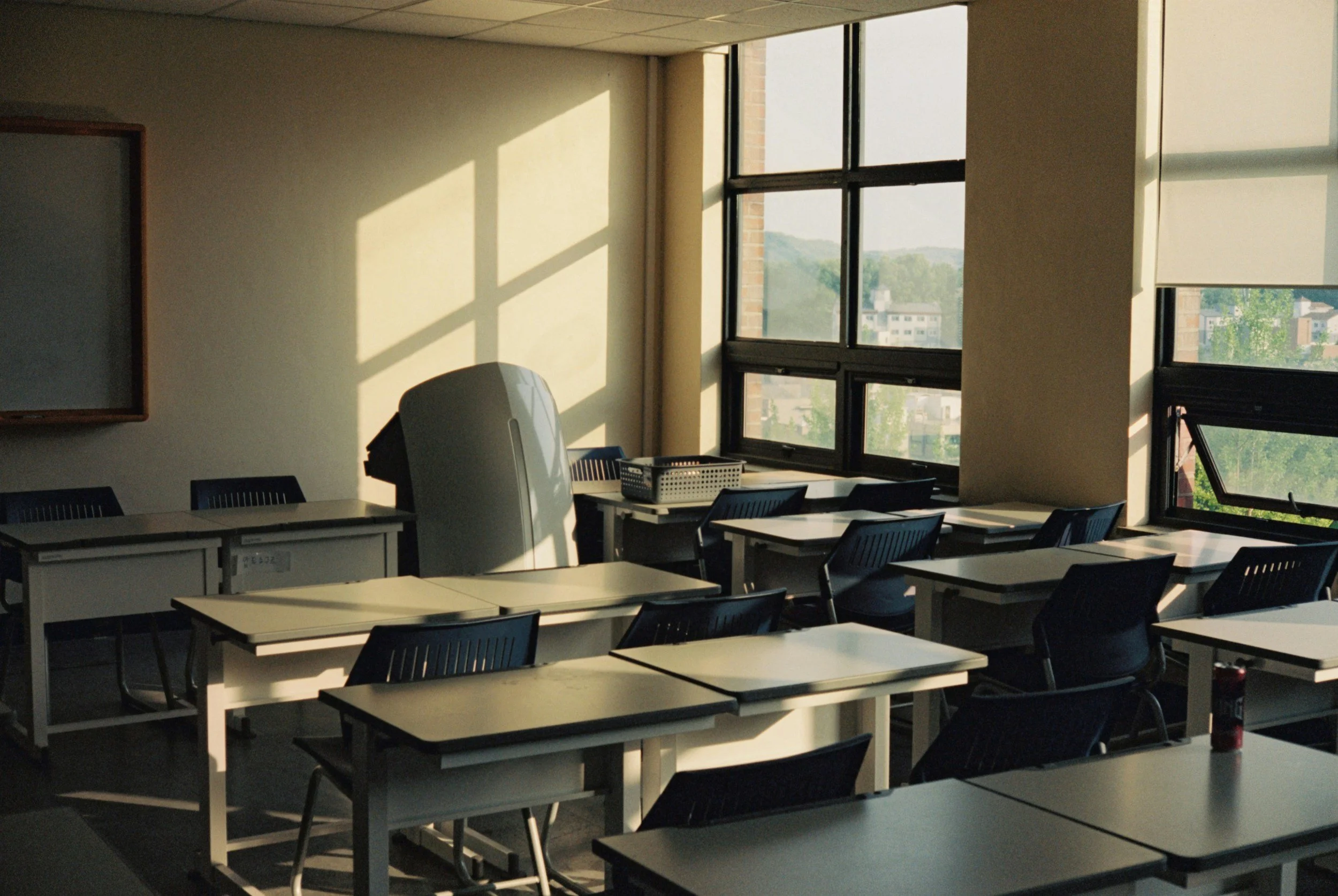
Classrooms are the heart of the campus, so classroom cleaning is a top priority. Students and teachers spend most of their day here, and consistent routines help keep learning spaces organized and ready at the first bell.
Classroom needs vary. Preschool rooms may require more floor and table attention, art and science labs have surfaces and sinks to monitor, and music rooms and computer labs benefit from careful dust control and electronics-safe methods. Documented scope clarifies what's included and how often, so teachers aren't left to fill in gaps. A professional plan supports teachers without adding to their workload.
Typical classroom cleaning tasks include:
Emptying trash and replacing liners
Wiping desks and tables
Cleaning chairs and seat backs
Vacuuming carpets or sweeping and mopping hard floors
Cleaning whiteboards and boards as requested
Wiping high-touch surfaces
Cleaning door handles and light switches
Removing visible dust from ledges and surfaces
Spot-cleaning interior glass and windows
Organizing or cleaning shared areas when included in scope
2. Restrooms
Student and staff restrooms are high-visibility spaces that strongly influence comfort and parent impressions. Because they see constant use, they need consistent, scheduled attention.
Core tasks include cleaning and disinfecting toilets and urinals, sinks and counters, wiping partitions, fixtures, handles, and dispensers, mopping floors, cleaning mirrors, removing trash, addressing odors, and restocking soap, paper towels, and toilet paper.
Depending on enrollment, age groups, and traffic patterns, some schools schedule mid-day restroom checks or a day porter to handle quick touch-ups and restocking. For more on how that role works, see our guide to what a day porter does. Clean, stocked restrooms support a more comfortable experience for students and staff alike.
3. Cafeterias, Break Areas, and Food Service Spaces
Food-related spaces quickly accumulate crumbs, spills, and sticky surfaces, so they require vigilant routines tied to meal periods and staff schedules.
Janitorial services for schools typically support overall cafeteria and break-area cleanliness, while kitchen prep zones may follow separate procedures managed by food service teams.
Where appropriate, products used on food-contact surfaces should be food-safe and used according to label directions.
Key priorities include:
Wiping and sanitizing tables and seating
Sweeping, vacuuming, and mopping floors
Managing trash and recycling areas
Cleaning serving lines and counters
Wiping door handles and push plates
Cleaning hydration stations and drinking fountains
Detailing staff lounges and break rooms
Wiping shared appliances where included in scope
4. Hallways, Entryways, and Common Areas
Hallways and main entrances shape first impressions for families, visitors, and staff, while enduring constant foot traffic throughout the day.
Essential tasks include sweeping, vacuuming, and mopping, maintaining entrance mats, removing trash, dusting ledges and surfaces, cleaning interior glass, spot-cleaning doors, wiping high-touch points, and maintaining lobbies, reception areas, stairwells, and elevator fronts where applicable.
In the Atlanta area, rain, humidity, and seasonal pollen increase tracked-in soil and dust, especially at entryways and high-traffic corridors. Jacksonville campuses see similar buildup from coastal humidity and storm season. Regular attention keeps spaces looking organized and helps protect flooring over time. Exterior walkways, entrances, and drop-off areas also benefit from periodic pressure and soft washing to keep first impressions sharp for families and visitors.
5. High-Touch Surfaces
High-touch surfaces deserve focused, scheduled attention in every school cleaning checklist. Consistent cleaning supports a cleaner shared environment and helps reduce buildup on frequently used surfaces across classrooms, restrooms, cafeterias, offices, and hallways.
Frequency can increase during busy seasons, flu season, or after large events, with additional disinfecting based on the school's policies. Include high-touch checkpoints in the written scope and inspection forms so expectations are clear.
Door handles and push plates
Light switches
Desks and tables
Chair backs and armrests
Handrails
Bathroom fixtures and dispensers
Elevator buttons
Reception counters
Shared equipment and classroom technology
Drinking fountains and hydration stations
6. Administrative Offices and Staff Areas
Administrative offices, teacher workrooms, reception desks, and staff lounges support the daily operations of a school and interact with families and vendors. They need scheduled care even if student traffic is lighter.
Typical tasks include trash removal, dusting, vacuuming or mopping, cleaning shared tables and counters, maintaining staff restrooms or break rooms, and wiping high-touch points at reception. Cleaning schedules should respect confidential documents and secure areas while keeping front offices professional and welcoming.
If you're weighing cleaning support for administrative space beyond the classroom, our guide on signs it's time to hire an office cleaning company covers many of the same warning signs school offices tend to show.
7. Gyms, Multi-Purpose Rooms, Libraries, and Specialty Areas
Specialty spaces, including gyms, locker rooms, libraries, computer labs, auditoriums, music and art rooms, science labs, chapels, and after-school program rooms, need specialized cleaning plans tailored to use patterns, events, and flooring types.
Gyms and locker rooms may require routine floor care, mat cleaning, and attention to benches, lockers, and shared equipment. Libraries and computer labs benefit from careful dusting, cable-aware floor care, and electronics-safe cleaning methods.
Multi-purpose rooms often host evening or weekend events and may need same-day or next-morning turnaround. Include each specialty area in the written scope so nothing is overlooked during busy weeks.
School Cleaning Checklist by Frequency
Use this school cleaning checklist as a starting point, then adapt it to your campus size, layout, schedules, and student age groups.
Daily Tasks
Empty trash and replace liners
Clean and restock restrooms, including toilets, urinals, sinks, counters, mirrors, partitions, and dispensers
Wipe high-touch surfaces throughout campus
Clean classroom desks and tables as scoped
Vacuum carpets and sweep and mop hard floors
Clean cafeteria tables, seating, and floors tied to meal periods
Maintain entryways and common areas and clean mats
Spot-clean interior glass and doors
Address spills and visible messes promptly
Weekly Tasks
Weekly tasks build on the daily routine to keep details from slipping.
Detail dust ledges, vents within reach, and horizontal surfaces
Clean interior glass more thoroughly
Mop or machine-scrub high-traffic hard floors as needed
Detail staff break rooms and lounges
Clean baseboards and low-reach vents as needed
Review supply levels and restocking plans
Monthly and Periodic Tasks
Monthly or periodic items address deeper needs and seasonal projects.
Machine scrub or burnish hard floors; refinish as needed
Carpet extraction or spot treatment
High dusting, including tops of lockers, vents, and light fixtures as scoped
Post-event cleaning and gym or bleacher detailing
Break and summer deep cleaning for classrooms, specialty rooms, and windows
Always customize the school cleaning checklist to your square footage, student count, traffic patterns, flooring types, and calendar. Atlanta schools may also plan around pollen season and rain, while Jacksonville schools should plan around coastal humidity and storm season, to keep entryways, floors, and high-touch surfaces consistently maintained.
How Often Should a School Be Cleaned?
There's no one-size-fits-all schedule. Frequency depends on school type, enrollment, square footage, restroom and cafeteria use, events, and operating hours.
Schools with younger students, extended care, after-school programs, or high visitor traffic usually need more frequent service to keep shared spaces ready.
Classrooms: Daily. Trash, floors, and high-touch points daily, with deeper dusting weekly and periodic deep cleaning over breaks.
Restrooms: Daily, plus mid-day checks as needed. Restock supplies and handle quick touch-ups during peak times.
Cafeteria: After each meal period. Tables, seating, and floors, plus serving counters as scoped.
Hallways and entryways: Daily. Floor care and mats, with extra attention during rain and pollen season.
Gyms and multi-purpose rooms: After heavy use or events. Floors, equipment, and bleachers, scheduled around practices and games.
Offices and admin areas: Daily or several times per week. Trash, dusting, and floors, plus reception high-touch surfaces.
Common School Cleaning Challenges
School administrators and facility teams balance bell schedules, after-school programs, sports, and community events, all of which compress cleaning windows and access times.
Recurring pain points include heavy restroom usage, cafeteria spills, classroom clutter, seasonal pollen and tracked-in dirt, floor maintenance demands, and maintaining consistent standards across multiple buildings or campuses. Security procedures, key control, and limited weekend access add to the complexity.
These challenges are solvable with a clear written scope, a realistic schedule, and dependable support. Document expectations in a checklist, align staffing to traffic patterns, and plan for local weather and events to keep spaces ready day after day.
Benefits of Professional School Cleaning Services
Reliable school janitorial services support a cleaner, more organized environment for students, teachers, staff, and families, especially when delivered by a local Atlanta and Jacksonville partner who can work around events, breaks, and after-hours needs.
Professional school cleaning helps deliver consistent, repeatable results across campus while easing the burden on teachers and office staff who already juggle many responsibilities.
Commercial cleaning for schools provides access to proper products and equipment, such as HEPA vacuums and floor machines, and offers customized schedules for daily service, events, and deep cleaning over breaks or summer.
Clear checklists, inspections, and communication channels improve accountability. In short, school janitorial services can be tailored to your facility's needs, supporting cleaner classrooms, restrooms, and common areas without a one-size-fits-all approach.
What to Look for in a School Cleaning Company
Evaluate school cleaning services on their experience with educational facilities, references, and ability to create custom plans rather than relying on generic checklists.
Look for reliable staffing, training and background screening where applicable, clear communication, quality control and inspections, secure access procedures, appropriate products and equipment, after-hours and weekend availability, and proof of insurance.
Flexibility matters. The right partner adapts to school calendars, testing windows, events, and seasonal deep cleaning to maintain consistency, safety, and trust over the long term.
Questions to Ask Before Hiring a School Cleaning Company
Use these questions when interviewing vendors to clarify scope, schedules, and accountability.
What types of schools or educational facilities do you clean?
Can you create a customized school cleaning checklist for our campus?
How do you approach classroom cleaning for different grade levels and room types?
How do you clean and restock restrooms during the day if needed?
Can you support cafeteria, gym, auditorium, library, and other specialty area cleaning?
Do you offer after-hours, weekend, break, and summer cleaning to reduce disruption?
How do you manage quality checks, inspections, and communication with our team?
What products and equipment do you use, and do you have green options if requested?
How do you handle secure access, key control, and alarm systems?
Can you provide proof of insurance and references from educational facilities?
Confirm Atlanta and Jacksonville Coverage
Before you finalize, ask: Do you serve schools across metro Atlanta, including communities like Midtown, Buckhead, Decatur, Sandy Springs, Cobb, Gwinnett, and South Atlanta, as well as schools throughout the Jacksonville area? Clear coverage and response times help ensure consistent service during busy school weeks.
Why Atlanta and Jacksonville Schools Need a Local Cleaning Partner
Atlanta and Jacksonville school cleaning both benefit from a local team that understands regional traffic patterns, campus layouts, and the realities of scheduling around bell times, sports, testing, and evening events.
Local familiarity with seasonal pollen, humidity, and frequent rain in Atlanta, and coastal humidity and storm season in Jacksonville, informs entryway and floor care plans, especially for high-traffic corridors and lobbies. It also supports smarter timing for deep cleaning projects over breaks and summer.
From private and charter schools to church schools and daycares across Midtown, Buckhead, Decatur, Sandy Springs, Cobb, Gwinnett, and South Atlanta, plus educational facilities throughout the Jacksonville area, a local partner can align service windows, provide on-site supervision, and build long-term relationships with facility teams.
Talk to Pro Squared Janitorial About School Cleaning Services
If your school needs a more consistent plan, Pro Squared Janitorial can help. Schedule a walkthrough to discuss daily routines, event support, and deep cleaning over breaks or summer. We'll build a customized school cleaning checklist around your classrooms, restrooms, cafeterias, offices, and common areas.
Our team serves educational facilities across metro Atlanta and the Jacksonville area and can work after hours, on weekends, and during breaks to minimize disruption, supporting cleaner, more organized learning environments across your campus.
FAQs About School Cleaning for Atlanta and Jacksonville Schools
These quick answers cover the essentials: what school cleaning includes, checklist basics, frequency by area, and how local conditions shape priorities for Atlanta and Jacksonville campuses.
Use them as a quick reference when aligning your written scope, setting expectations with staff, or evaluating school janitorial services.
What is school cleaning?
School cleaning refers to professional janitorial services for educational facilities. It includes classrooms, restrooms, cafeterias, hallways, offices, gyms, libraries, and common areas, with routines designed to keep high-traffic and high-touch spaces consistently clean and ready for learning.
What should be included in a school cleaning checklist?
A school cleaning checklist typically covers daily tasks: trash removal, restroom cleaning and restocking, high-touch surface attention, classroom cleaning basics, cafeteria tables and floors, entryways, and spot glass, plus weekly details such as dusting, interior glass, and floor care.
Monthly or periodic items include deep restroom cleaning, machine floor care or refinishing, carpet extraction, high dusting, window cleaning, post-event service, and break or summer deep cleaning.
How often should classrooms be cleaned?
Most classrooms need daily service for trash, floor care, desk or table wiping as scoped, and high-touch surfaces. Frequency can increase for younger age groups or heavily used rooms such as labs and computer spaces, with deeper dusting and periodic projects scheduled during breaks.
What areas of a school should be cleaned daily?
Restrooms, classrooms, cafeterias, hallways, and entryways usually need daily attention, along with trash collection and high-touch surfaces across the campus. Specialty rooms and gyms are cleaned based on use and events.
Why should schools hire a professional cleaning company?
Professional school cleaning supports more consistent results, reduces workload for teachers and office staff, provides proper products and equipment, enables customized schedules for events and breaks, and adds accountability through checklists, inspections, and communication.